
Where Warm Scones Meet Golden Cream and Sunlit Jars

Settle into a cozy Cotswold rhythm as we explore Scones, Cream, and Local Jams: A Cotswold Guide to Perfect Pairings. From village tearoom comforts to home‑baked triumphs, you will learn textural secrets, flavor maps, and gentle etiquettes that turn a simple treat into a treasured ritual. Expect practical steps, regional stories, and playful tasting ideas that invite you to share your own discoveries and keep the kettle joyfully singing.

Rise and Crumb: Crafting Scones That Split with a Whisper

A great Cotswold scone rises proudly, reveals a tender, feathery crumb, and parts with the lightest nudge of a butter knife. We will balance leavening with gentle handling, harness cold fat for steam‑lifted layers, and bake hot for instant spring. Along the way, a kindly baker in Stow‑on‑the‑Wold reminds us not to overthink it: keep ingredients cold, movements calm, and confidence high, then let the oven do the cheering.

Flour, Lift, and Tender Bite

Use self‑raising flour for convenience or blend plain flour with fresh baking powder, respecting accurate ratios to avoid a soapy finish. A touch of sugar tenderizes without heaviness, while buttermilk’s soft acidity coaxes delicate crumb. Mix until just shaggy, preserving tiny flour pockets that transform into airy tunnels during an assertive, steady bake. Trust weight measurements for consistency, and validate your leavening’s freshness with a quick fizz test before beginning.

Cold Butter, Gentle Hands, Confident Heat

Grate fridge‑cold butter or rub in swiftly, leaving visible flecks that become micro‑reservoirs of steam. Keep the dough cool; warm hands compress layers into toughness. Pat, never roll, to protect lift. Cut straight down with a sharp cutter for clean edges, minimizing gluten activation. Slide trays onto a preheated surface and bake at a lively temperature, around 220°C or 425°F, encouraging vertical spring and an irresistibly fragrant, barely bronzed crown.

Shaping, Glazing, and Knowing When to Stop

Aim for a generous thickness before cutting; skinny scones rarely achieve a confident split. Brush tops with milk or a light egg wash, avoiding drips over the sides that might inhibit rise. Rotate halfway if your oven has quirks, then watch for sets of cues: risen shoulders, softly golden tops, and a base that sounds hollow when tapped. Cool briefly on a rack, because steam finish matters, then split while still warm for serving.

The Cream Question: Texture, Temperature, and Joy

Clotted cream brings a spoon‑standing richness, a faintly caramelized golden “crust,” and silk beneath that pairs beautifully with bright, fruity jams. Serve it cool, not chilled hard, to preserve scoopability and luxuriant mouthfeel. Whipped cream is lighter yet less indulgent, while double cream sits between. In friendly Cotswold fashion, the order debate sparks smiles, not rules. Choose an approach, taste thoughtfully, and let hospitality guide every generous dollop across warm, inviting halves.

Understanding Clotted Cream’s Golden Crust

The characteristic golden cap, formed by slow heat treatment, lends a faint toffee note and a luxurious, almost buttery finish. Spoon rather than spread, allowing plush mounds to rest without tearing the crumb. Avoid over‑stirring, which breaks silkiness. Keep portions cool, replenishing small bowls frequently. That subtle, sun‑kissed hue signals depth, pairing especially well with berry acidity and hedgerow tannins. Guests remember the texture first, so prioritize poise, not austerity, when serving carefully measured scoops.

Serving Gracefully Without Melting the Moment

Set cream out just before pouring tea, letting it relax slightly while staying cellar‑cool. Use a dedicated spoon and a smooth‑edged knife for gentle assembly, preserving the scone’s tender architecture. Present in small ramekins and refill, maintaining freshness and visual charm. If outdoors, nest bowls over ice packs wrapped in linen. Keep portions modest at first, encouraging a second help that feels celebratory. Above all, defend warmth in the scone without sacrificing cream’s poised structure.
Order on the Scone: A Playful, Respectful Debate

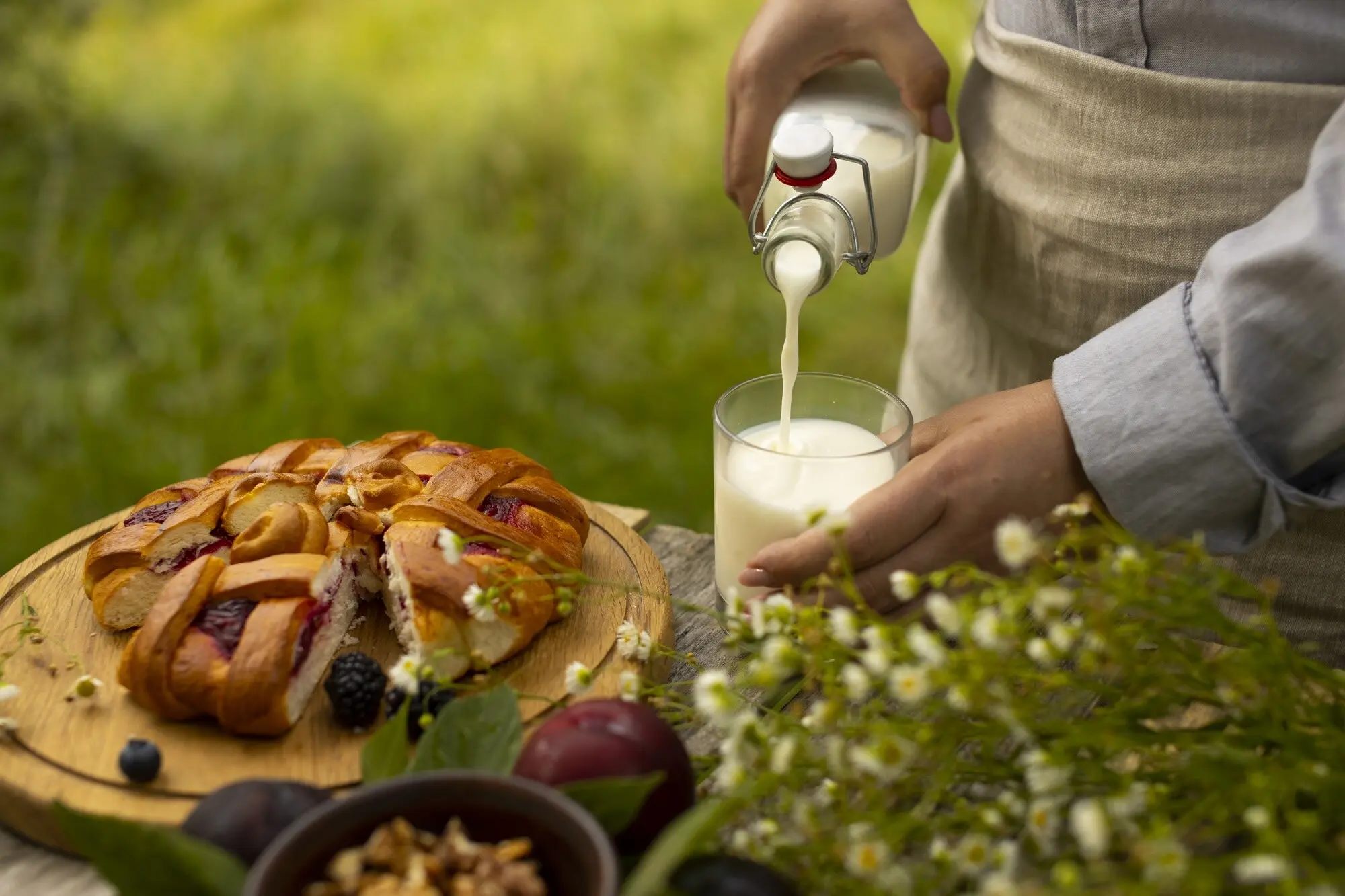
Jam‑first enthusiasts celebrate a jeweled foundation that lets cream sit like a cloud; cream‑first loyalists prefer a buttery bed anchoring fruit brightness. The Cotswolds welcome both approaches with laughter and extra napkins. Try parallel halves on one plate, compare texture, sweetness perception, and balance, then vote cheerfully at the table. Share your verdict in the comments, naming your favorite jam style and milk preference for tea. Curiosity, not certainty, makes the ritual unforgettable.

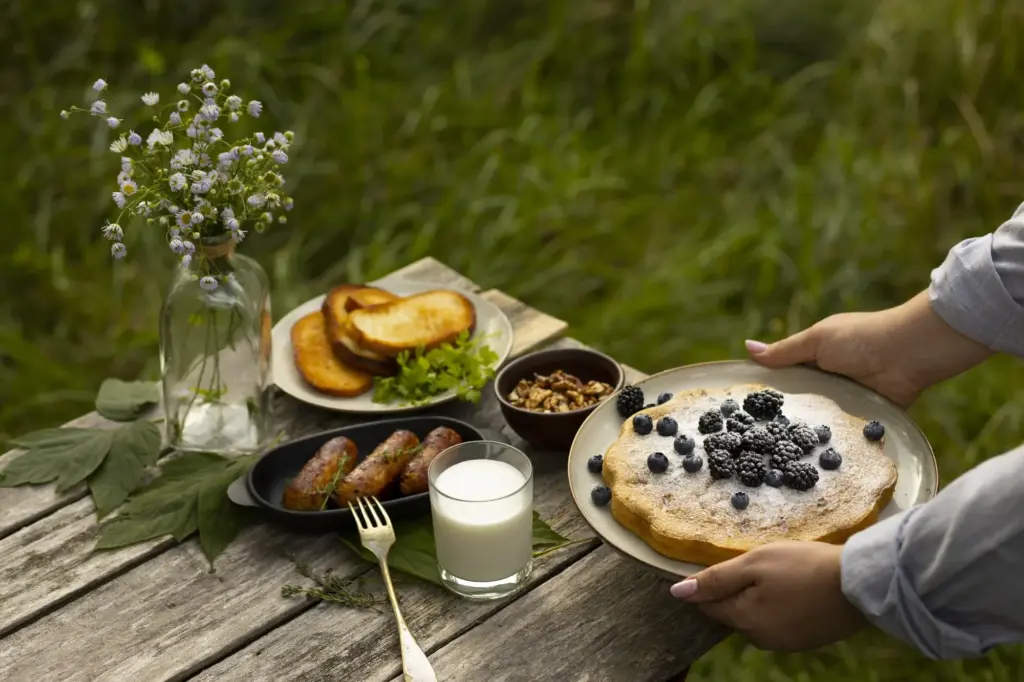
Jams of the Cotswolds: Hedgerows, Kettles, and Character

Summer Strawberries with Sunlight in the Jar

Select berries at peak fragrance, crimson to the core, ideally sourced from nearby farms where mornings are cool and afternoons linger. A kiss of lemon brightens without stealing the melody. Gentle cooking secures clarity rather than jammy muddle. On a plain scone, strawberry offers nostalgic warmth beside clotted cream’s quiet decadence. It is the pairing that convinces first‑timers, restores travelers, and whispers that simple things, perfectly timed, make afternoons feel unusually generous.

Autumn Damsons and Blackberry Brambles

Select berries at peak fragrance, crimson to the core, ideally sourced from nearby farms where mornings are cool and afternoons linger. A kiss of lemon brightens without stealing the melody. Gentle cooking secures clarity rather than jammy muddle. On a plain scone, strawberry offers nostalgic warmth beside clotted cream’s quiet decadence. It is the pairing that convinces first‑timers, restores travelers, and whispers that simple things, perfectly timed, make afternoons feel unusually generous.

Citrus Brightness and Curious Twists

Select berries at peak fragrance, crimson to the core, ideally sourced from nearby farms where mornings are cool and afternoons linger. A kiss of lemon brightens without stealing the melody. Gentle cooking secures clarity rather than jammy muddle. On a plain scone, strawberry offers nostalgic warmth beside clotted cream’s quiet decadence. It is the pairing that convinces first‑timers, restores travelers, and whispers that simple things, perfectly timed, make afternoons feel unusually generous.

Tearoom Paths and Farm Shop Treasures

From Bourton’s water‑bright bridges to Broadway’s honeyed stone, cozy rooms promise trays that clink with plates, pots, and possibilities. Scan chalkboards for daily jams, short baking windows, and unbleached flour. Ask cheerful staff about local fruit and dairy partners. Markets in Stow, Chipping Campden, and nearby villages reward early wanderers with samples and stories. Support small makers, then pack a hillside picnic, carrying a cool bag for cream. Leave no trace but crumb‑fed smiles and shared recommendations.

Pairing Playbook: From Classic Comfort to Brave New Bites

Great pairings speak to balance. Cream gives plush depth, jam delivers sparkle, and the scone frames both with warm, butter‑kissed structure. Start classic, then stretch toward herbal, wholegrain, or citrus‑bright choices. Consider tea as a third voice—Assam for backbone, Earl Grey for perfume, Darjeeling for airy elegance. Host tasting flights with half‑scones, note impressions, and trade bites. Joy grows when comparisons remain kind, curious, and willing to crown multiple winners across seasons and moods.

The Beloved Classic, Timeless for a Reason

Plain scone, strawberry jam, clotted cream, and brisk Assam tea. First bites feel familiar yet restorative, each element supporting the other without crowding. The crumb’s warmth flatters strawberries, cream spreads calmly, and tannins tidy the finish. Serve to newcomers, homesick travelers, and anyone needing steadiness after blustery lanes. Sometimes the most merciful luxury is predictability, delivered with excellence. Invite readers to report their favorite classic twists, perhaps a lemon whisper in the jam.

A Rustic Adventure with Herbs and Wholegrain

Lightly wholemeal scones invite deeper partners. Try blackberry‑thyme jam, its woodland character blossoming against cream’s opulence. The herb expands aroma without stealing sweetness, while grain adds nuttiness that steadies acidity. Darjeeling or a gentle oolong offers shimmering structure without bitterness. This path rewards slow, thoughtful chews and conversation that lingers. Encourage guests to compare herb strengths, recording where charm turns into intrusion. Mastery lives in restraint, letting hedgerows speak while hospitality keeps every plate welcoming.

Fixes, Myths, and Make‑Ahead Wisdom

Troubles happen: tough crumbs from overworking, squat scones from twisting cutters, or bland results from sleepy leavening. We will course‑correct with weight measurements, cold handling, and decisive heat. Avoid over‑flouring the bench, and remember that dough should look imperfectly shaggy. Freeze unbaked rounds for sudden guests, then bake straight from frozen with a few extra minutes. Reheat day‑olds in a medium oven, never the microwave. Myth bust kindly, and let confidence rise with every tray.
Lorivexozerasavivironilo
Privacy Overview

This website uses cookies so that we can provide you with the best user experience possible. Cookie information is stored in your browser and performs functions such as recognising you when you return to our website and helping our team to understand which sections of the website you find most interesting and useful.